Find a speaker, get advice about gardening, links to gardening websites, read about plants, Cape Cod Garden Books…the weeds will wait! Spend some time in The Garden Lady’s garden. 

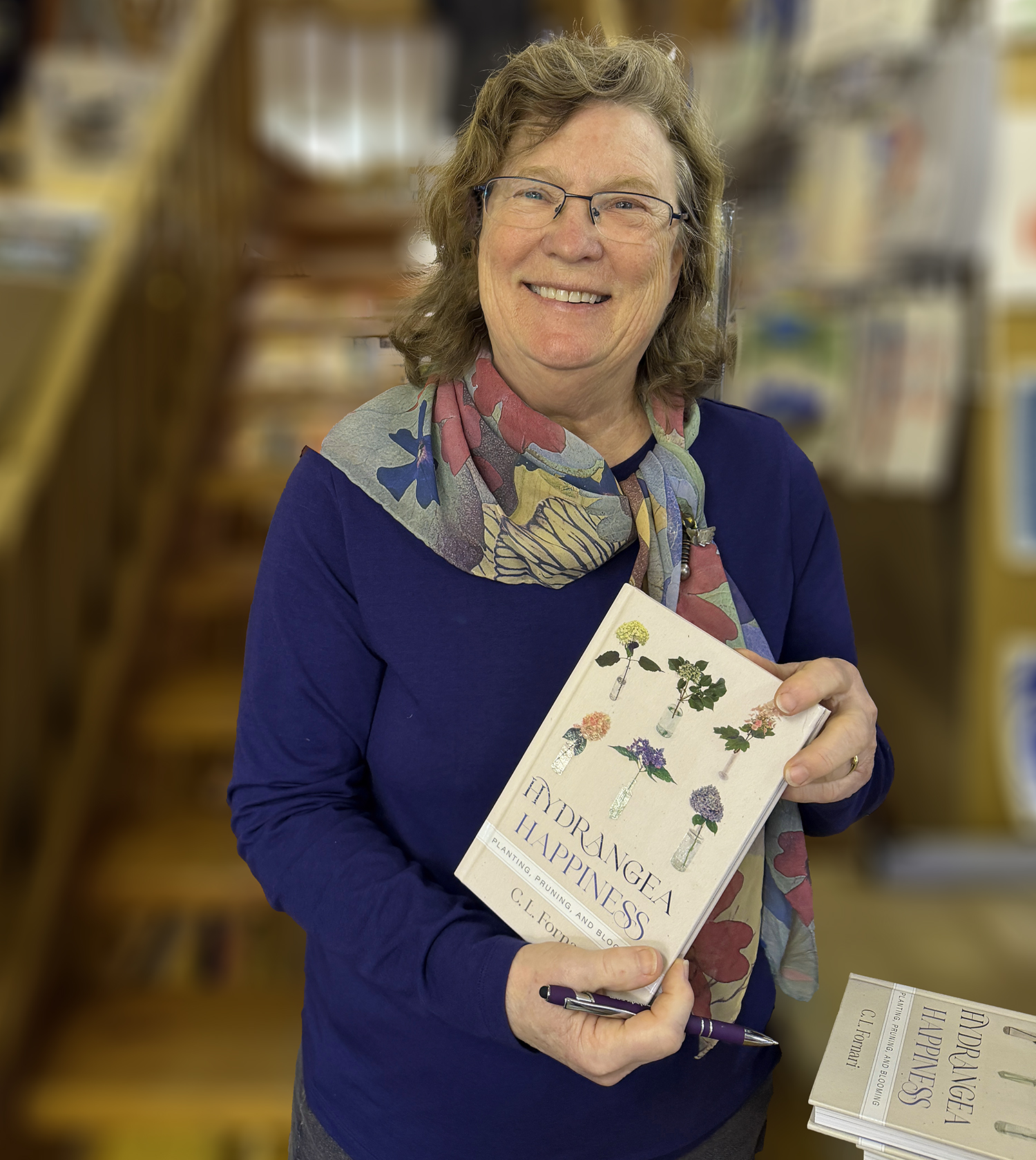
C.L. Fornari is a gardening expert, author and professional speaker. C.L. believes that whether your thumbs are green or black, the lessons learned in the garden are relevant to work, relationships, spirituality and personal growth. 
 
·  READ ARTICLES
·  SPEAKER - GARDEN TOPICS
·  KEYNOTES / MEETING / MOTIVATIONAL
SPEAKER
·  GREEN INDUSTRY SPEAKER
·  SPEAKING REFERENCES / ENDORSEMENTS
·  C.L.'S RESUME
·  C.L.'S SPEAKING SCHEDULE
·  GARDENLINE RADIO
·  C.L.'S BOOKS
·  FIND GREAT PLANTS
·  GIFTS FROM THE GARDEN MONTH
· NORTHEAST NEWS
·  LINKS
·  CONTACT C.L.
·  SIGN UP!


PHOTO OF C.L. FORNARI

Beating the Weeds

By C.L. Fornari

Even if you apply mulch every spring the weeds will find a way to grow in your garden. Be on the lookout for small weeds that are growing in clumps of established perennials…they can get established among perennial stems and roots before you know it, and once mature are harder to remove.

     As every gardener knows, dealing with weeds is an intrinsic part of gardening, and there is no easy way out.  "Isn't there something I can spray?" my customers ask me.  Well, there are herbicides, but they must be used sparingly and with caution because they kill every plant that they touch.  This makes them unsuitable for use on weeds that grow among garden plants.

     "How about something I can put in the soil?"  Those are pre-emergents.  They keep weed seeds from germinating, but the gardener must be very careful to follow label directions for timing and rate of application.  Too much of these products will damage even mature plants.

     Far more effective at preventing weed germination is a layer of mulch, which prevents light from triggering the sprouting of weed seeds.  Organic mulches such as composted leaves or shredded bark all do the job, and they have the added advantage of breaking down and amending the soil.  A two-inch layer applied once a year in the early spring is perfect.

     In vegetable gardens some people spread plastic sheeting, but this doesn’t allow water to reach the soil and at the end of the season you have old plastic to throw out.

Continued... Click here for complete article


All Photographs by C.L. Fornari
All Contents © 2008 C.L. Fornari

All Rights Reserved