
Several of the green industry trade publications publish trends for the coming growing season, so I’ve decided to add my own thoughts to such lists. These are what I see gardeners and homeowners focusing on, along with links to places where you’ll find inspiration about these growing directions.
#1 Escape…aka Dopamine Gardens
It’s a stressful world, and we all need places where we can focus on things that make us feel calmer and happy. This means planting what makes you feel good, whether they are in vogue or not. Think fragrant plants, colors you love, and places where you can sit and watch the flowers and wildlife. Be sure that you have a bench near your vegetables and on all sides of your house. Grow a wildflower meadow in a pot, throw out seeds into a “chaos garden,” or place a tree where you’ll see it daily when you stand at the kitchen sink. Start small, be willing to plant and tend in short periods when needed, and enjoy the journey.
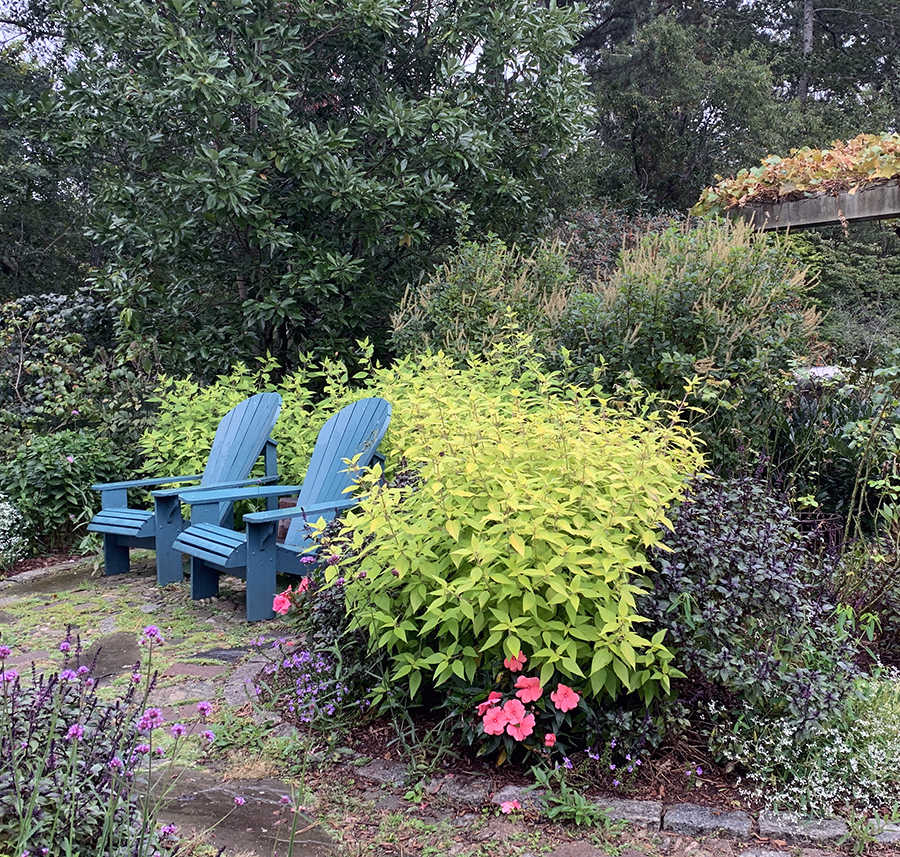
The chairs in my fragrance garden face the bird feeder so that I can watch the action as the birds come and go. The lime-green plant is Golden Delicious Pineapple Sage, an annual that I plant every year for its fragrant foliage and the bright red flowers in October.
#2 Pure Fun
We’re thinking about plants like a new box of crayons. We have all the colors and we’re going to use them lushly. This year, grow several plants that you’ve never grown before. Let me recommend Phyllis marigolds, and the Begonias from Proven Winners.

Yes, you can have bright colors in a shade garden. Plant some containers and put them on a plant stand above your hosta, or on top of benches or chairs. Begonias and caladiums are especially colorful and easy. Hint: add some time-release fertilizer to the pots when you plant.
#3 Flavor
To paraphrase an old commercial, gardeners don’t want plants with good taste, they want plants that taste good. Place a vegetable bed in your front yard, or put a raised box on your deck. Grow a selection of salad greens and herbs. Plant vegetables you enjoy eating and marvel at how the freshly picked harvest is more flavorful than anything you can buy. I grow some of my vegetables from plants purchased at the local garden center, but I also get seeds from Johnny’s and Territorial seed companies.
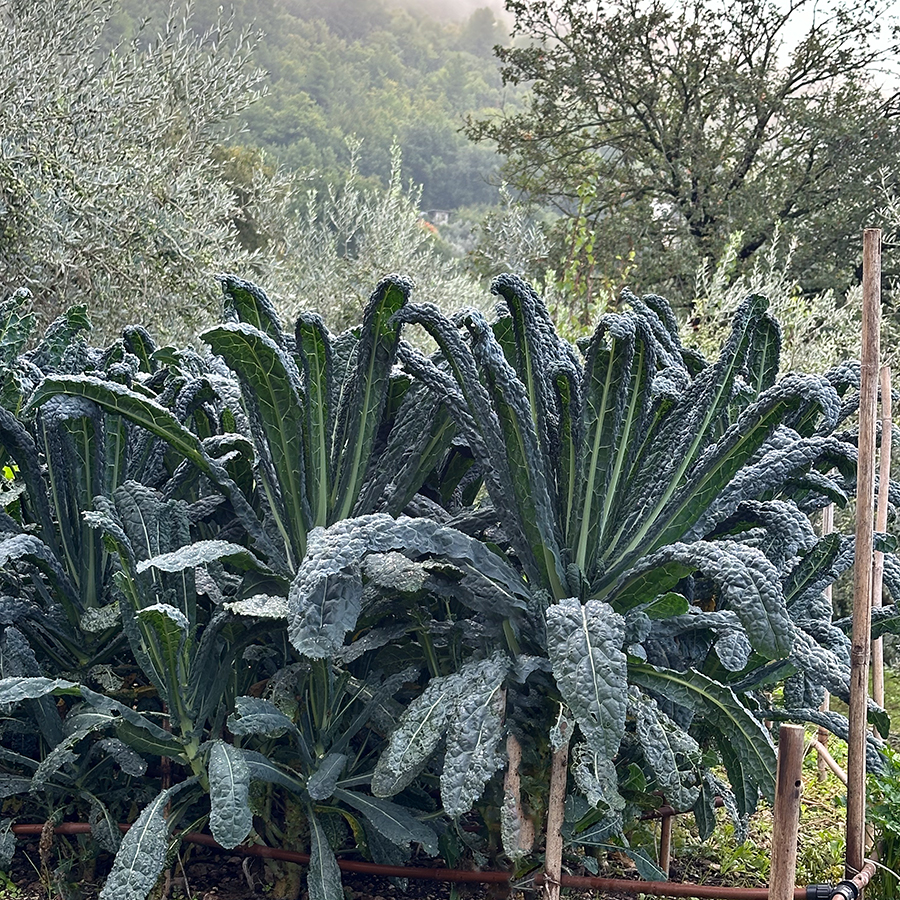
If I could grow just one vegetable, it would be Tuscan kale. Pick the lower, older leaves from early summer on, and the plants grow tall, continuing to produce. I am harvesting the last of the smaller, top leaves right now in the first week of January! Remove the center rib and slice the leaves ribbon-thin to add to salads, soups, sauces, stir fry or any dish that calls for spinach.
#4 Welcoming The Neighbors
People understand that it’s wise to design gardens that accommodate the critters we share the land with. This means providing areas where birds, insects and animals can eat and shelter. Yes, you can also have gardens where Bambi and Thumper aren’t encouraged, but be sure to welcome them in other parts of your property. I use Plantskydd on my flower gardens near the house so that the deer and bunnies don’t get in the habit of eating there. It’s the longest lasting repellant. (Hint: use the liquid and strain it through a fine sieve before spraying to avoid clogs. Spray it right on the plants. Not for vegetables.)
For inspiration, read this blog from Wild by Design.
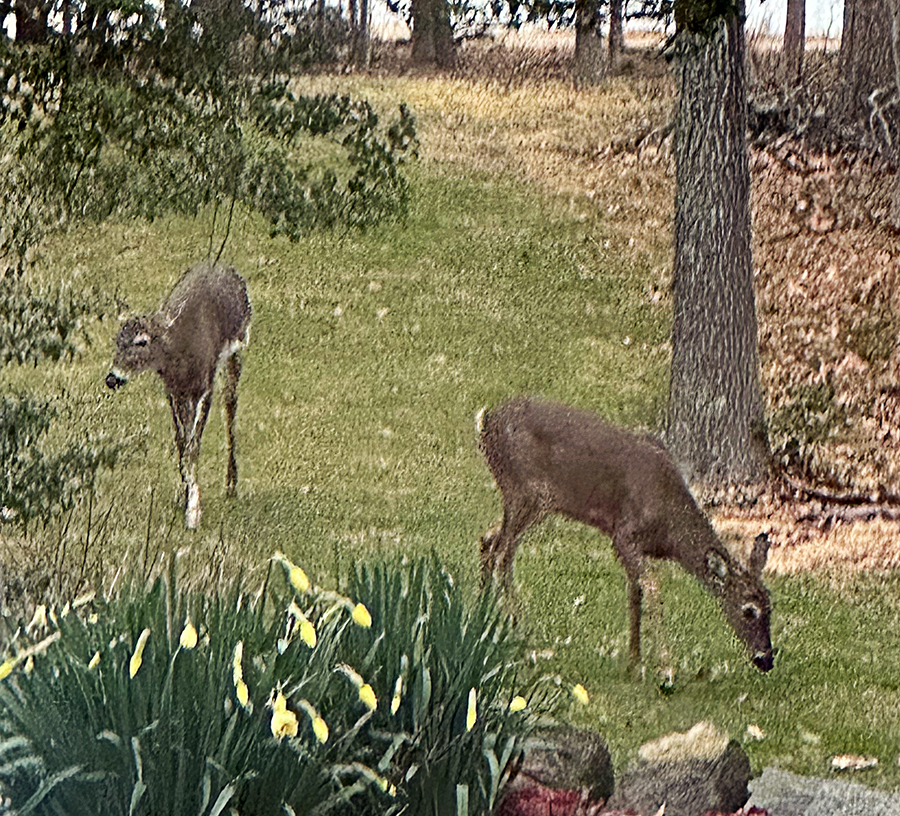
I don’t stress about the deer in the bottom part of my property. They are welcomed there. Around the house I’ve used many plants they don’t eat, such as daffodils instead of tulips, and the plants that I know they enjoy get sprayed early in the spring and again in early summer with Plantskydd. This works for rabbits too. You don’t have to reapply after a rain, but you should spray if the plants are continuing to develop.
#5 Perpetual Growth
One of the things I love most about plants and gardens is that there’s always something new to learn. If you can be constantly taking in new information and ideas, your mind stays sharp and every day can be filled with enjoyable experiences. Here are just three ideas for virtual learning that you can take advantage of this winter:
If you’re interested in foraging or cooking with wild foods, look at these classes given by my friend and former podcast co-host, Ellen Zachos.
Anyone who wants to develop a career in garden communications can’t go wrong with the Gardencomm Winter Webinar Series. Gardencomm is the organization for those who speak, write, teach, podcast or otherwise share their plant passions with the public.
For those interested in learning more about native plants, look to the Mt Cuba Center for online learning.
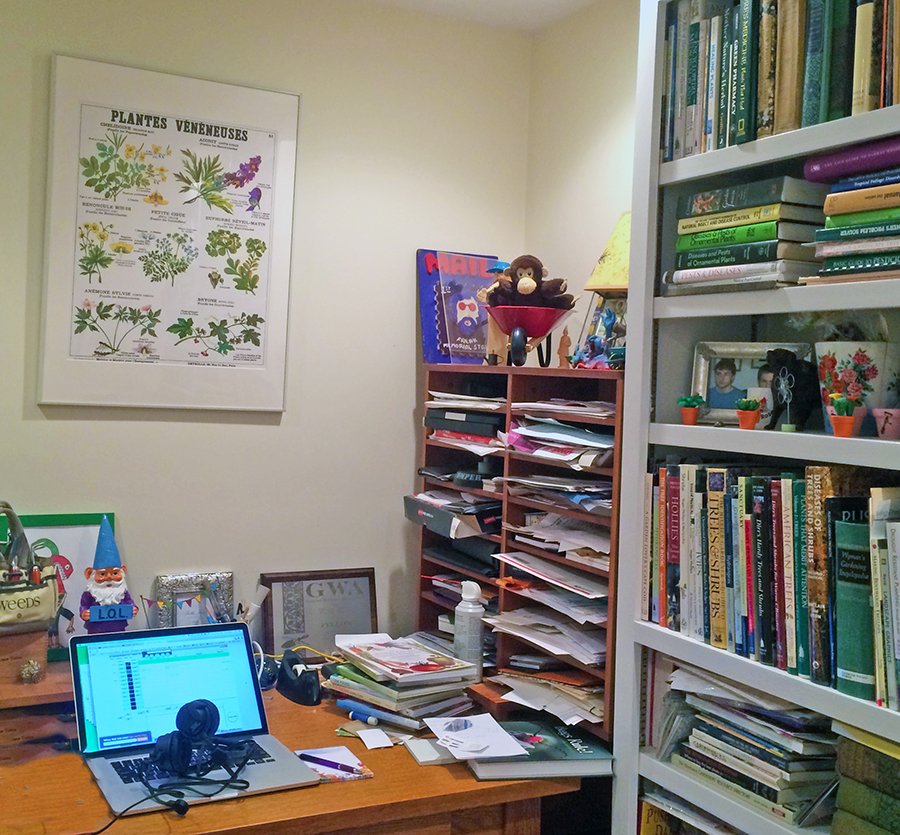
You can learn from books, magazines, newsletters and online sources on the internet! And don’t forget podcasts. All of the Plantrama recordings from years past are here. Plus you can join me on The Garden Lady every Saturday afternoon. Links for listening are on my radio page.
# 6 Arts and Crafts
Build some free-form trellises out of branches, or create structures from found objects. Be inspired by your gardens and paint pictures or make a collage. Build temporary sculptures out of natural materials outside. Check out the paintings done by my friend, artist Lila Bacon, and the natural installations created by Andy Goldsworthy.
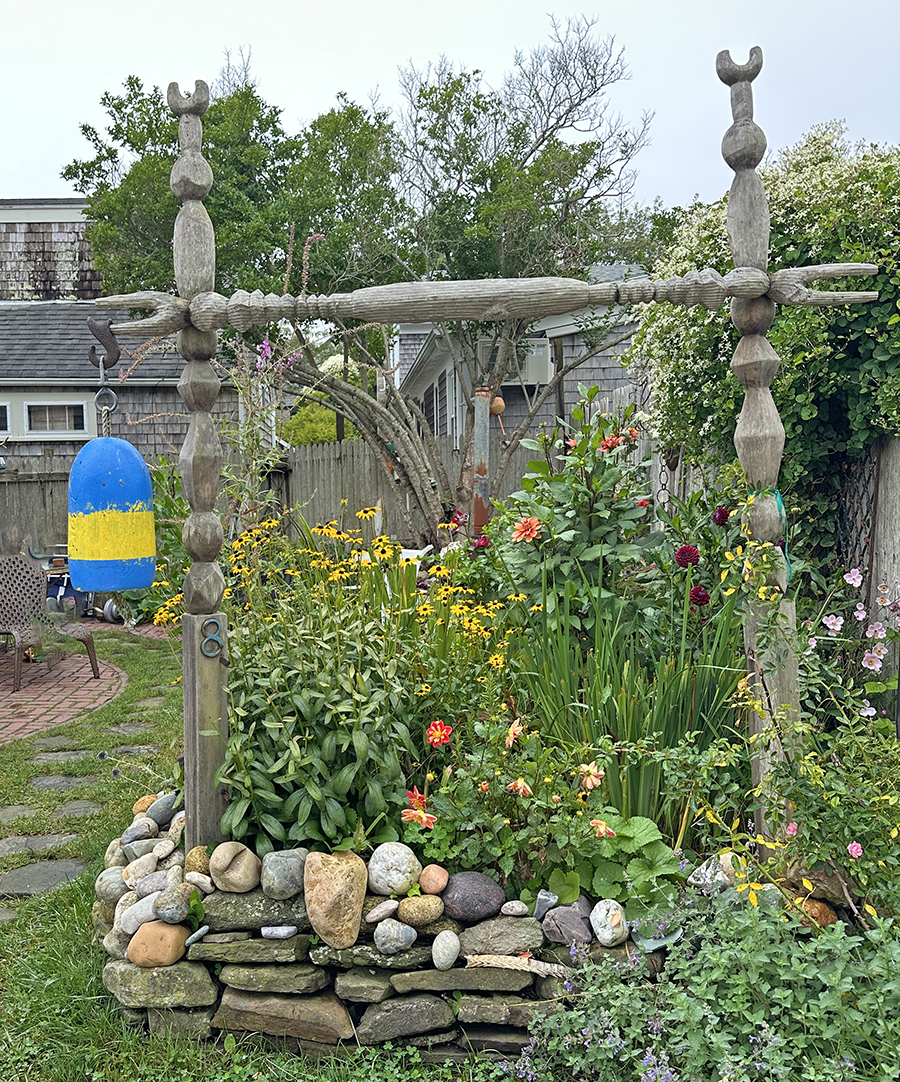
I loved this creative garden seen in Provincetown last summer. One of the joys of heading out to the end of Cape Cod is that many gardens can be seen from the sidewalks of P-town.
These trends were on the recent edition of my newsletter. Subscribe to hear about my Virtual Book Launching for Hydrangea Happiness this spring.
0 Comments