

On The Garden Lady today I’ll be starting the program off with a visit from Tawny Simiski, Entomologist at the UMass Cooperative Extension. We’ll be talking about the spotted lanternfly, and other insects of interest in the Northeast. Although the spotted lanternfly is of concern, many of the bugs, insects and spiders we see in our yards and gardens are not problems. And it’s important to remember that not every disease has to be treated. Plus talk about people who collect plants, and listener calls.
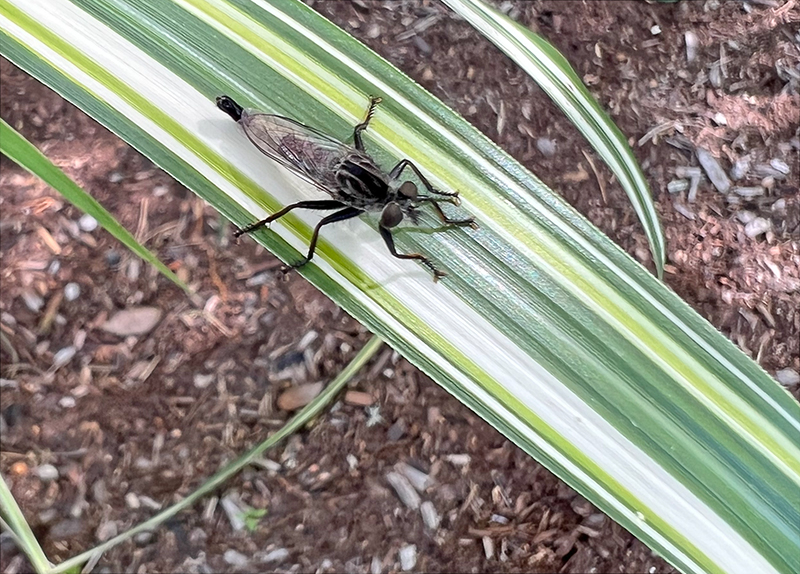
Robber flies, also known as assassin flies, are highly aggressive predators that hunt a wide range of insects, including bees, beetles, and other flies, often in flight. They often perch on the ground, rocks, logs, or on leaves and twigs to wait for passing insects.
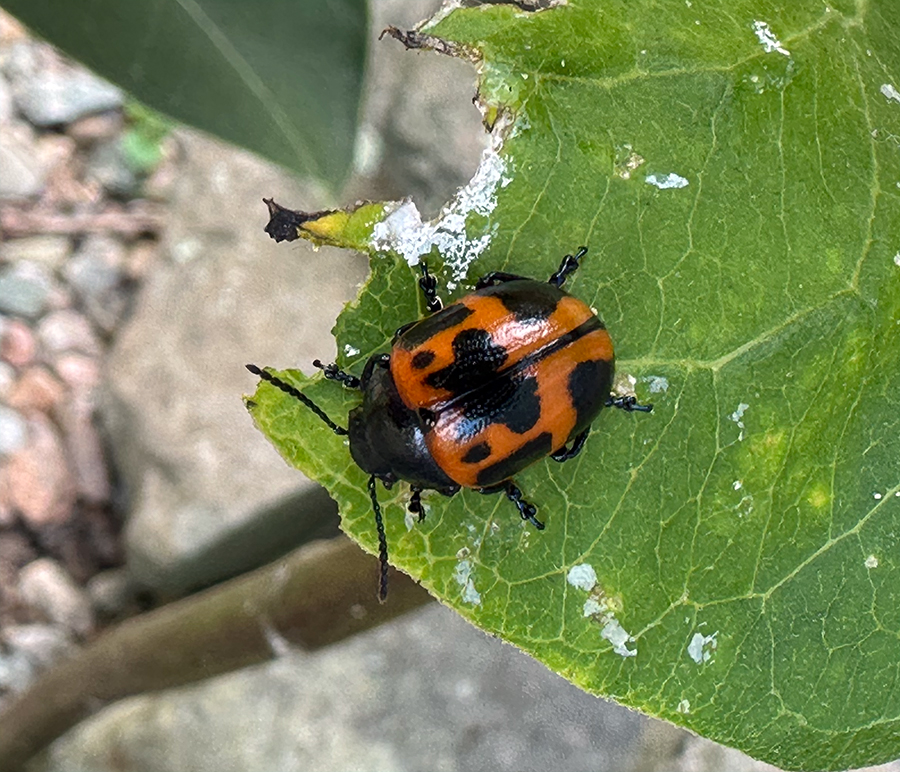
The swamp milkweed leaf beetle (Labidomera clivicollis) is a colorful, orange and black beetle that feeds on milkweed, but it generally does not cause significant damage to the plant, as only a few are usually present per plant. These beetles are part of the leaf beetle family, which is not the same as a ladybug, but they can be confused with them due to their appearance. They are not a major pest and are often considered beneficial because they help control milkweed, which is an aggressive plant in some places.
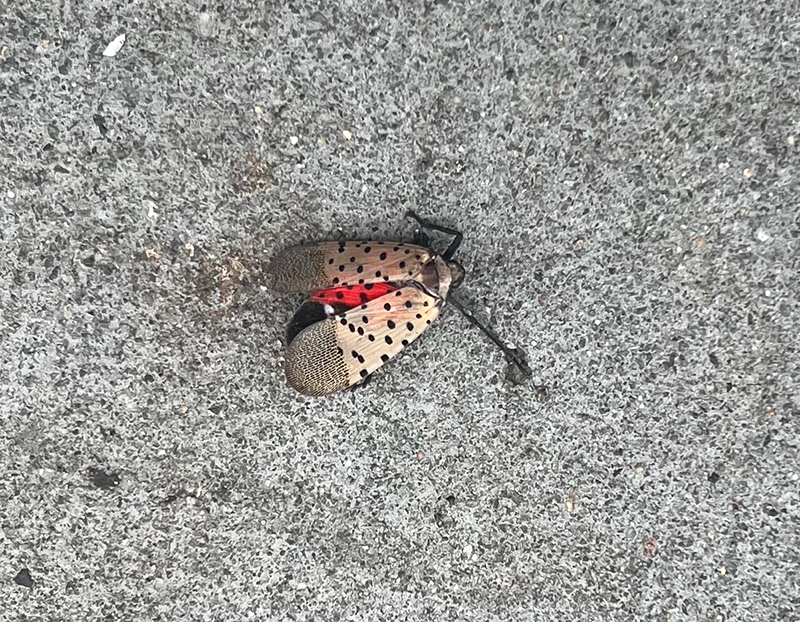
Spotted lanternfly (Lycorma delicatula) is an invasive planthopper that feeds on a wide range of plants, including grapevines, hops, stone fruit trees, and hardwood trees. To report spotted lanternfly in Massachusetts, go to this website.
0 Comments